How to Choose the Right Desert Quad Bike Experience
Choosing a desert quad ride is less about picking the fastest machine and more about matching the ride to your confidence, the terrain, and the rules of the area. A good choice makes the day feel smooth from the first briefing to the last stretch of sand. A poor match can turn a fun outing into a tense one, especially when dunes, heat, and mixed ability levels are involved.
Start with the kind of ride you want
Before looking at machines, decide what kind of outing suits you. Some riders want a steady trail through open desert with stops for photos. Others want a more active session with climbs, turns, and longer stretches over softer sand. These are different experiences, and they ask for different levels of control.
A first timer should favour a calm route, a clear briefing, and a bike that feels manageable at low speed. Experienced riders may want more room to build pace, but even then, desert conditions can change quickly. Sand shifts under the tyres, crests hide what lies beyond them, and a line that looked easy from a distance can feel steep up close. The right choice is the one that fits the least confident rider in the group, not the most daring one.
Think about the setting too. A short session near a desert camp may suit families and visitors with limited time. A longer route may include open ground, dune crossings, and stops away from busy areas. Neither is automatically better. The best option depends on your comfort with heat, dust, noise, and physical movement.
Check the rider requirements early
Once the style of ride is clear, look closely at who is allowed to take part. Age rules, licence expectations, passenger rules, and supervision requirements can differ by operator and location. These details matter because they affect the whole booking, not just one rider.
If children are joining, ask how younger riders are handled. Some experiences use smaller machines, guided passenger seats, or separate areas away from faster traffic. A child should never be placed on a machine that is too tall, too heavy, or too powerful for their reach and judgement. Feet should rest securely, hands should reach the controls without stretching, and the rider should be able to sit upright with a relaxed grip.
For adults, be honest about experience. A person who has ridden on roads may still need time to adjust to sand. A person who has ridden off road elsewhere may still find dunes unfamiliar. When comparing quad biking dubai options, this is the point where practical fit matters more than appearance. A larger engine may sound appealing, but control and comfort matter far more on a route with loose surfaces and changing gradients.
Match the bike to the rider, not the photo
Quad bikes vary in size, weight, power, and seating position. The right machine should feel balanced when the rider sits on it. Ask about the model or at least the general size, then compare that with the rider's height, build, and strength.
A beginner often does better on a lighter quad with predictable power. It is easier to steer, easier to stop, and less tiring to handle when the sand deepens. A stronger rider may enjoy a bigger machine, but extra power can reward poor decisions too quickly. On sand, speed can build without much warning, and a hard turn at the wrong moment can cause a slide or tip.
Pay attention to the controls before committing. The throttle should be easy to manage, braking should feel firm, and the handlebars should not force the rider into a tight or awkward posture. A rider who has to lean forward just to reach the controls will tire quickly. That fatigue can reduce reaction time, which is a real concern when the route includes other vehicles.
If a dune buggy is also offered, compare the two honestly. A buggy may feel more enclosed and can suit riders who prefer a seated position with a steering wheel. A quad gives a more open riding position and asks for more body movement. Neither choice is right for everyone, and the decision should follow the route and the rider's confidence.
Look at the route and terrain
The route shapes the experience more than most riders expect. Open, firm sand is easier to read. Soft sand needs smoother throttle control and more patience. Dune climbs require a steady line and a sensible approach, while descents call for careful weight control and low speed.
Ask whether the path is guided, marked, or ridden in a group. A guided route helps new riders stay away from risky ground and keeps the pace steady. A group ride can also be useful because support is nearby if someone stops. At the same time, traffic can feel less relaxed, so spacing and clear signals matter. Watch for a route that pushes riders beyond their ability just to reach a dramatic viewpoint.
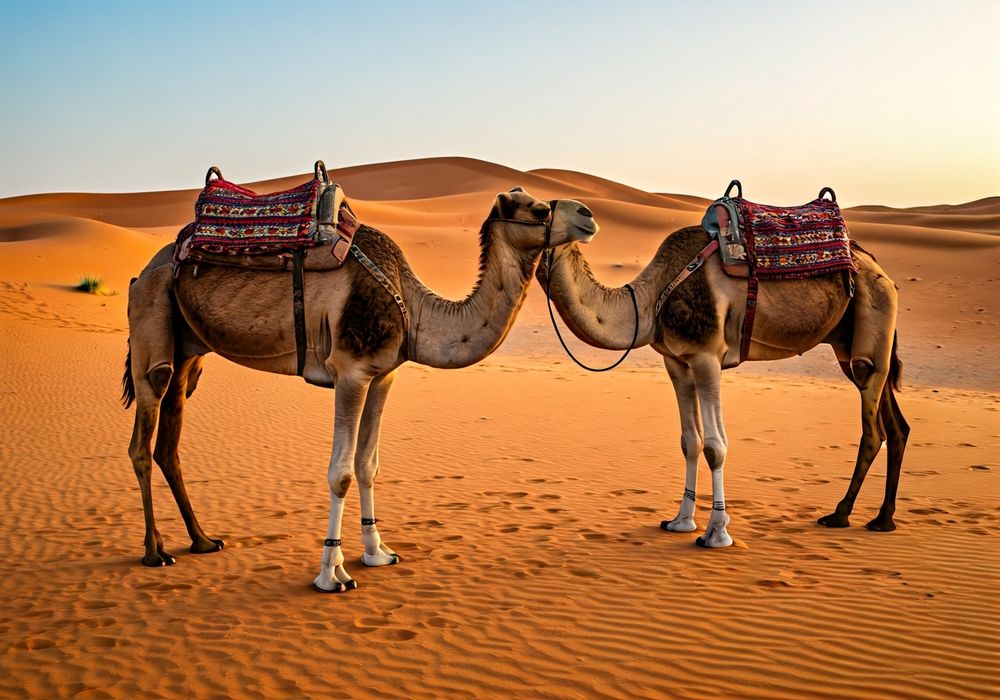
The condition of the sand changes with weather and use. Wind can reshape a sand dune, and repeated tracks can make a surface uneven. A sensible operator will adjust the route when conditions are poor. If a plan sounds rigid no matter what the terrain is like, treat that as a warning sign.
Ask what safety is handled before departure
Safety should be visible before the engine starts. A proper safety briefing should explain hand signals, stopping distance, group order, speed limits, and what riders should do if they become unsure. It should also cover what to do if the bike stalls, slides, or feels unstable.
A helmet should be correctly sized and fastened. Loose head protection is not useful protection. Riders should also consider closed shoes, comfortable clothing, eye protection for dust, and sun cover suited to the season. Long sleeves may feel warm at first, but they can help against sun and sand spray.
Ask how the bikes are checked before use. Routine checks such as tyre condition, brake feel, fuel level, and general cleanliness are normal parts of preparing any off road vehicle. If mechanical problems are suspected, they should be handled by a qualified professional. No rider should be asked to ignore a warning light, a strange noise, weak braking, or unstable steering.
During the briefing, notice how instructions are delivered. Clear, calm guidance is a better sign than rushed jokes or vague promises. Riders need to know when to slow down, how to keep distance, and when to stop. If the explanation is hard to hear or the group is too large for proper supervision, the experience may feel less secure.
Compare timing, comfort, and group fit
Desert rides feel very different at different times of day. Midday heat can drain energy quickly, while late afternoon light can make the dunes easier to read and the ride more comfortable. Early starts may suit riders who prefer cooler air and quieter routes. The right time depends on the season, the route, and how long the session lasts.
Comfort matters before the ride begins. Water, shade, and a place to sit can make waiting far easier, especially for families. If the outing is linked to a desert camp, check whether the riding session fits naturally with the rest of the visit. A rushed transfer from one activity to another can leave little time for proper instructions.
Group fit is just as practical. Mixed groups often need a slower pace and clear rules about overtaking. Riders who want a more spirited session may be frustrated in a large mixed group, while beginners may feel pressured in a fast one. Ask how groups are arranged and whether the pace can suit different abilities. If everyone wants a relaxed ride, choose that over a route advertised only by speed and power.
Read the fine print before booking
Before paying, check what is included and what is expected from the rider. Confirm the ride length, the route type, safety equipment, supervision, and any age or passenger rules. Ask about cancellation terms and weather changes, because desert plans can be affected by conditions outside anyone's control.
Be cautious of vague descriptions. Phrases that promise an extreme ride without mentioning safety, route standards, or rider limits are not enough to judge a good experience. A clear description helps you compare options on equal terms. It also shows what level of planning sits behind the outing.
Finally, choose the option that leaves you feeling prepared rather than merely excited. The best ride is not always the biggest, fastest, or longest. It is the one where the machine suits the rider, the route suits the conditions, and the briefing sets clear expectations. When those pieces line up, a quad ride through the desert feels controlled, memorable, and worth the planning.